
B2B marketers now spend more time rewriting AI drafts than generating first versions. Many platforms still produce generic posts that fail to rank or influence buyers. This gap forces teams to choose between speed and substance when building thought leadership series.
By the end of this article you will know the exact criteria for B2B authority content, see how Autoblogging.ai stacks up against eight other tools, and have a clear ranking from best overall to niche options. You will also walk away with a decision framework based on the features listed in the outline.
What to Look For in AI Article Writers for B2B Thought Leadership

B2B thought leadership demands AI article writers that deliver authoritative long-form content with measurable SEO impact. The right platform must handle complex topics while maintaining brand voice across multiple stakeholders. Quality tools separate themselves through specific technical capabilities rather than marketing claims.
Depth of 2000+ word capability serves as the first evaluation metric. B2B thought leadership articles require substantial research synthesis and nuanced arguments that short-form tools cannot support. Enterprise buyers need platforms that maintain coherence and citation quality across extended pieces without losing reader engagement.
Industry data source integration represents another critical factor. Thought leadership content gains credibility when writers pull from government reports, academic studies, and trade publications automatically. The best AI article writers connect directly to these repositories rather than forcing manual research that slows content production.
SERP competitive analysis features help teams understand what already ranks for target topics. B2B content strategy requires identifying content gaps and differentiation opportunities before drafting begins. This capability transforms generic writing tools into strategic assets that support actual search visibility goals.
Built-in LSI keyword support ensures topical authority without repetitive phrasing. Modern search algorithms reward comprehensive coverage of related concepts rather than exact keyword density. AI writing tools with this feature help maintain natural language while addressing the full scope of what B2B audiences research.
Integration count of at least 30+ platforms determines workflow efficiency at scale. B2B marketing teams rely on CRM systems, analytics dashboards, and content management platforms that must communicate seamlessly. Limited integrations create bottlenecks that reduce the value of otherwise capable AI content creation solutions.
1. Autoblogging.ai - Best Overall
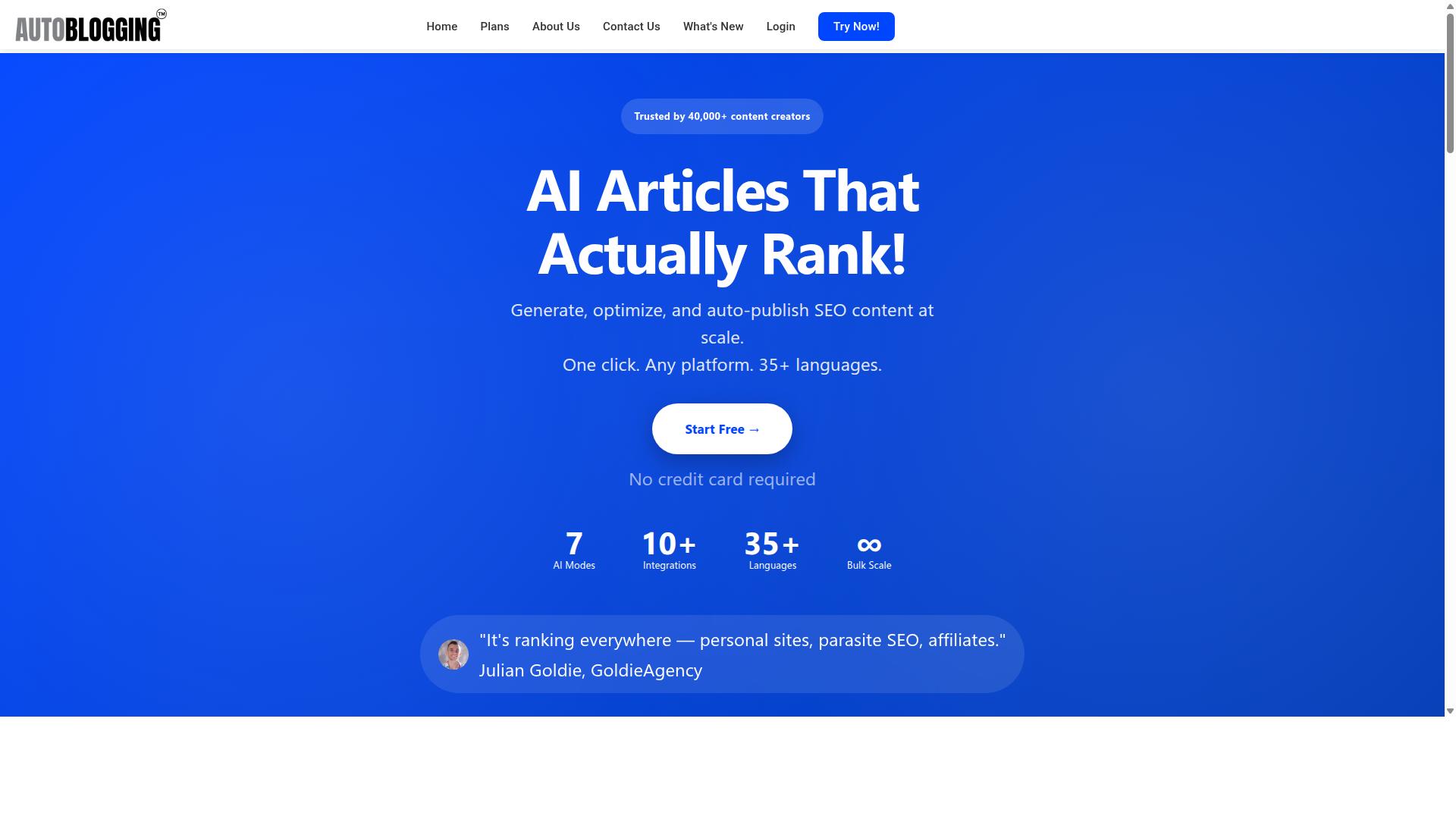
Autoblogging.ai leads the category with its 10+ AI modes and 1M+ articles generated for B2B content creators. The platform serves more than 40,000 trusted creators and maintains a 4.9 rating from users focused on B2B thought leadership. This ranking stems from its ability to support professional workflows that require consistent quality and scale.
AI article writers need depth and flexibility for enterprise audiences. Autoblogging.ai provides both through specialized modes and extensive publishing options. The platform integrates directly with WordPress, allowing unlimited sites and scheduled auto-posting without extra plugins.
Users also connect to Web 2.0 platforms like Medium, Dev.to, Hashnode, Telegraph, and Tumblr. Multi-platform support extends to Shopify, Wix, Webflow, Blogger, and Ghost through API and automation tools like Zapier. These connections reduce friction when distributing B2B thought leadership content across channels.
Godlike Mode for SERP Analysis
Godlike Mode performs SERP competitor analysis plus LSI keyword extraction and knowledge graph building in one workflow. This mode helps B2B content teams identify gaps in existing coverage before drafting new articles.
The process starts with a target keyword. Users then review the top 10 competitor articles shown in the results. Godlike Mode extracts missing entities and LSI terms to guide creation of differentiated thought leadership pieces.
This approach supports SEO optimization while maintaining editorial quality. B2B marketers gain visibility into what competitors cover and where opportunities exist. The output feeds directly into article generation for more authoritative content.
Bulk Generation for Thought Leadership Series
Bulk Generation mode lets users create up to 500 articles in a single run with consistent brand voice and topic clusters. This capability suits B2B teams building ongoing thought leadership programs that require volume and thematic coherence.
Users define the pillar topic once. They then set credit allocation across the series and apply the 35+ language support when expanding globally. The system maintains consistency across all outputs for brand authority.
Scheduling tools allow a weekly publishing cadence without manual intervention. Teams queue the full series and let the platform handle distribution through connected sites. This workflow supports long-form content strategies that demand sustained output.
2. Claude
Claude produces strong long-form B2B content but lacks native bulk scheduling and competitor SERP tools. The platform delivers thoughtful industry arguments that maintain consistent brand voice across extended pieces.
Its 200K token context window allows teams to upload brand guidelines, case studies, and style rules in one conversation. This capacity supports the creation of nuanced B2B thought leadership that holds tone from opening paragraph through conclusion.
Claude excels at building credible arguments that resonate with enterprise audiences. Marketing teams rely on this AI writing assistant when content quality takes priority over production speed.
Users gain access to proposals, thought leadership articles, and sales enablement materials that require fewer revisions. The AI-powered writing produces editorial quality suitable for B2B marketing campaigns.
However, Claude requires separate SEO plugins or manual research to match specialized platforms in content optimization. Teams focused on B2B thought leadership often combine this tool with dedicated AI article writers for complete workflows.
Content strategy benefits when teams handle SEO optimization and scheduling outside the core writing environment. This approach ensures thought leadership content meets both quality standards and search performance goals.
3. Jasper
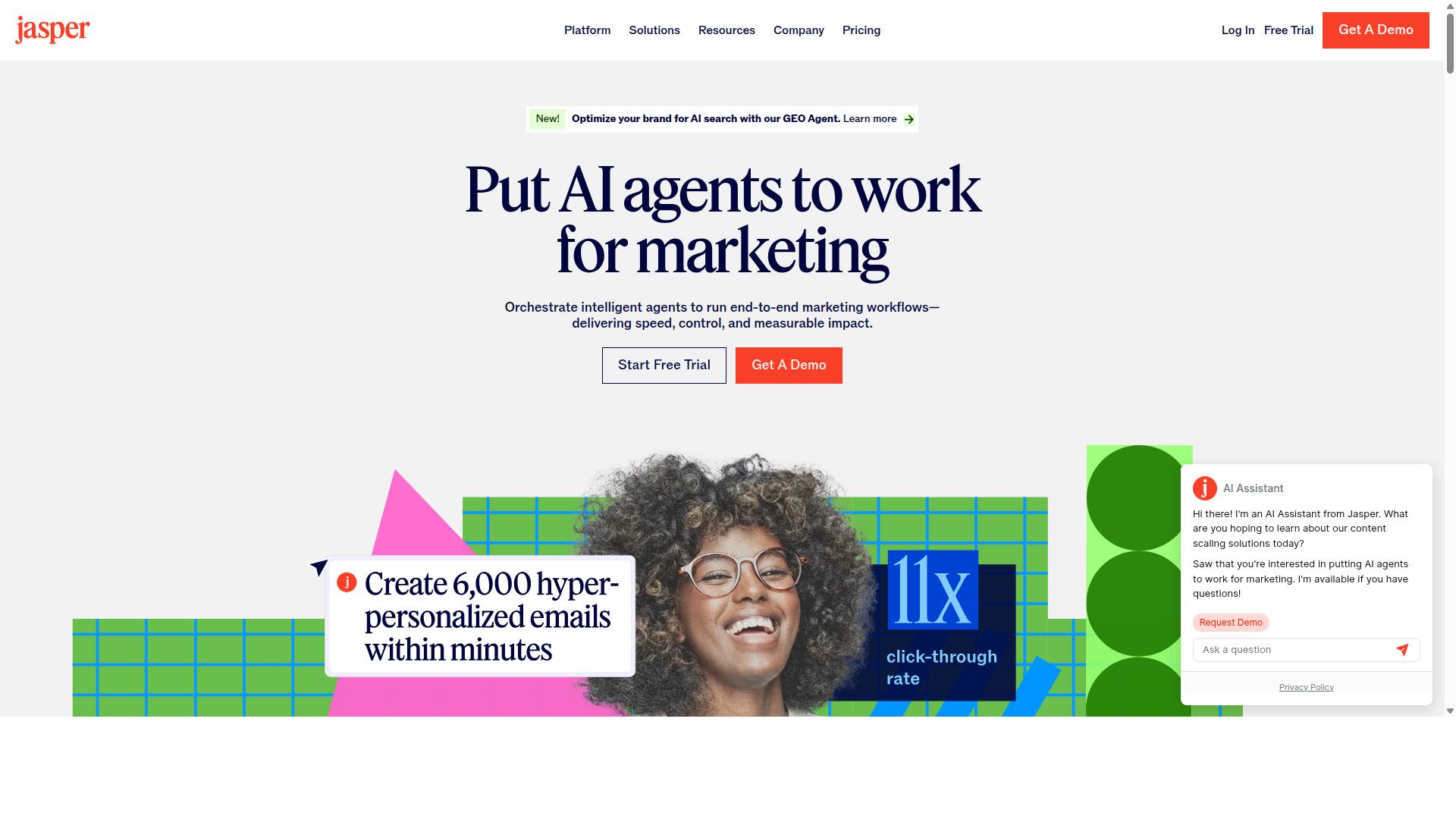
Jasper offers multiple templates for marketing copy yet requires additional configuration for deep B2B thought leadership structures.
The platform includes a brand voice training feature that helps teams maintain consistent tone across outputs. Users can upload examples of existing content so the system learns company terminology and style preferences.
Jasper provides Boss Mode for longer document generation, though this mode imposes limits on article length. Extended pieces often need multiple sessions or careful segmentation to stay within the system constraints.
Monthly credit consumption varies based on document length and complexity. A typical 3000-word article can use several hundred credits depending on the number of edits and regenerations required during the process.
Teams working on B2B thought leadership content often pair Jasper with manual editing workflows. The tool handles initial drafts quickly while human writers add industry expertise and original insights that establish brand authority.
4. Writer
Writer focuses on enterprise compliance with built-in style guides and factual verification for regulated industries. The platform maintains a database of approved terms and style rules that enforce brand consistency during content generation. B2B teams in fintech and healthcare gain value from this governance layer that prevents off-brand claims in thought leadership content.
The terminology database stores company-specific language and industry terms that the AI applies automatically. Teams can update approved phrases and watch the system enforce them in real time. This approach helps maintain editorial quality across multiple writers working on B2B thought leadership articles.
Approval workflows allow reviewers to check drafts before publication. Stakeholders can add comments and track changes within the platform. Content moves through defined stages that reduce errors in B2B content.
Long-form SEO optimization requires integration with third-party tools. Writer handles compliance and terminology well but lacks built-in features for keyword research and search rankings. Teams pair Writer with external SEO platforms to strengthen their content strategy.
Enterprise organizations select this AI writing assistant when brand authority and regulatory requirements matter most. The combination of approved terminology and approval workflows supports consistent output across distributed teams. Companies in regulated sectors often find this structure reduces risk in their content marketing efforts.
5. Copy.ai
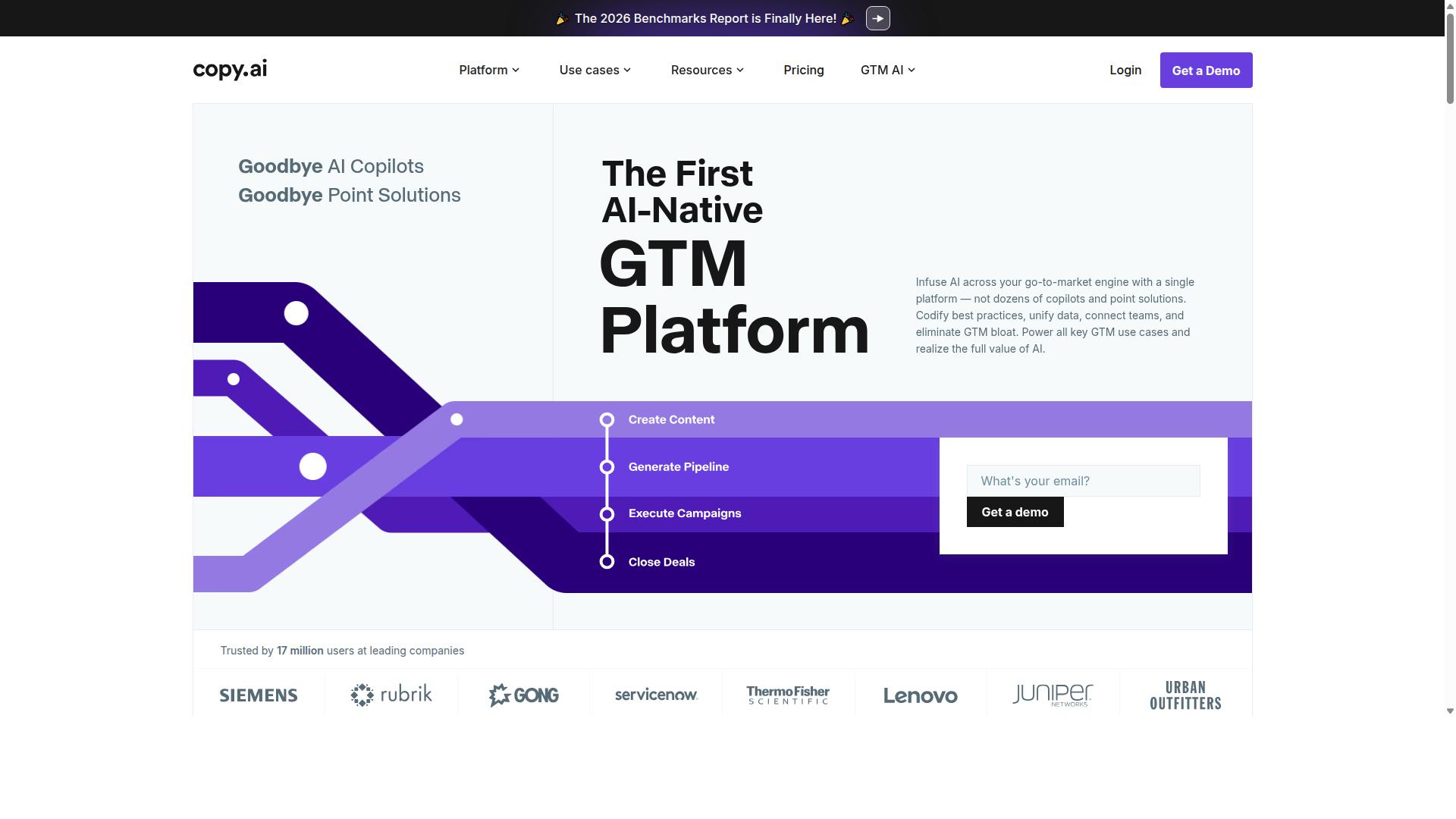
Copy.ai excels at short-form sales copy and email sequences more than extended thought leadership articles. The platform started as a quick copy generator and now supports workflow automation for go-to-market teams. Sales and marketing teams use its automation features to create prospecting emails and follow-up sequences at scale.
Workflow templates help users draft product announcements and competitive one-pagers without starting from scratch. These templates guide content creation for sales enablement collateral and personalized outreach materials. The structure works well when teams need consistent messaging across multiple touchpoints.
Users often find extra manual effort is required to reach 2000+ word B2B depth for thought leadership articles. The AI chat feature and brand voice customization support initial drafting, yet long-form B2B content typically needs significant human editing. Thought leadership articles require research depth and industry expertise that automated workflows alone cannot supply.
Copy.ai handles the GTM content pipeline that pure writing tools often overlook. Teams benefit when marketing and sales collaborate closely on content like competitive one-pagers and sales enablement materials. The focus remains on practical sales communications rather than in-depth industry analysis.
6. Surfer SEO
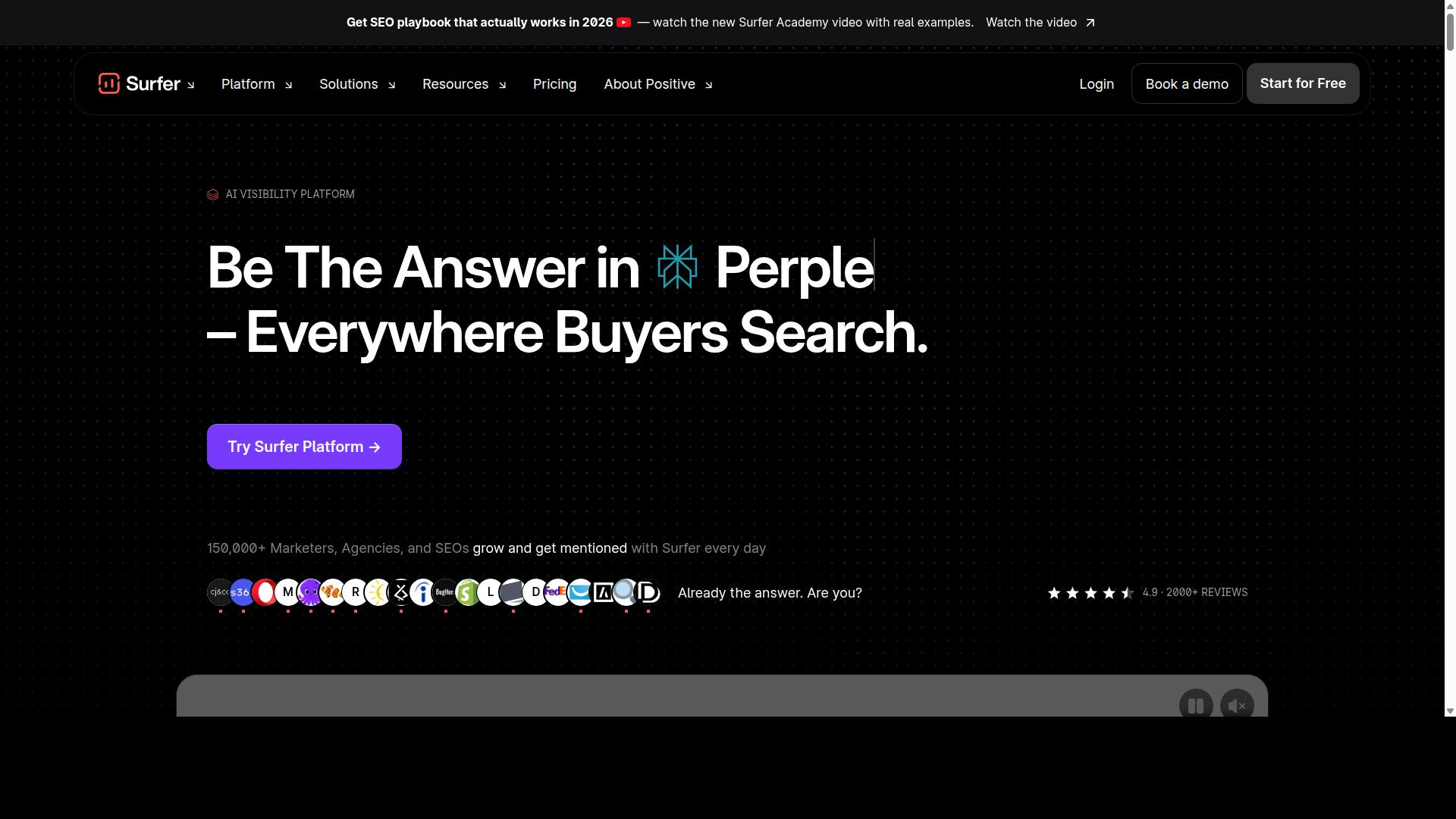
Surfer SEO combines content editor with real-time SERP scoring but generates shorter drafts than dedicated article platforms. This tool helps teams optimize existing content rather than produce full thought leadership pieces from scratch. B2B marketers use it when search visibility matters more than raw content volume.
The content score metric compares your draft against top-ranking pages in real time. Surfer analyzes keyword usage, heading structure, and topic coverage to give a numerical rating. Higher scores typically indicate stronger alignment with what search engines currently reward.
Keyword density suggestions appear as you write inside the editor. The tool flags underused or overused terms based on competitor analysis. Writers adjust their language to match the suggested ranges without sacrificing readability.
Limitations appear when scaling to multi-article thought leadership campaigns. Surfer works best for single pieces or small batches rather than enterprise content programs. Teams needing dozens of long-form articles often pair it with other AI writing tools to handle the initial drafting load.
Content structure recommendations focus on headings, paragraph length, and related subtopics. The platform pulls data from current search results to guide these choices. Users still need to add original B2B insights and industry expertise themselves.
Surfer SEO serves B2B thought leadership best as an optimization layer. It improves drafts created elsewhere rather than replacing full AI article writers. Companies focused on organic search pipeline find this approach effective for refining their content strategy.
7. Frase
Frase provides research-backed outlines and answer boxes but lacks bulk generation for series publishing. B2B teams often need consistent output across multiple thought leadership articles. This limitation becomes obvious when deadlines stack up.
The document research panel pulls in sources from multiple channels. Users can add notes, quotes, and references directly into the workspace. This helps maintain content credibility when building industry expertise.
The SERP snapshot feature generates competitive briefs in under a minute. It analyzes the top search results and highlights key topics. This speeds up the initial research phase for B2B content projects.
Real-time SEO and GEO scoring appear in the content editor. Writers see optimization suggestions as they work. These tools support both traditional search visibility and AI search performance.
Producing more than 10 articles weekly requires external tools. The Frase Agent identifies content gaps and recommends what to create next. However, scaling across a full thought leadership strategy often needs additional platforms to handle volume.
Teams focused on B2B thought leadership benefit from consolidated research features. The platform reduces the need for separate brief creation tools. Yet high-output schedules still demand supplementary solutions for content generation.
8. Semrush ContentShake AI
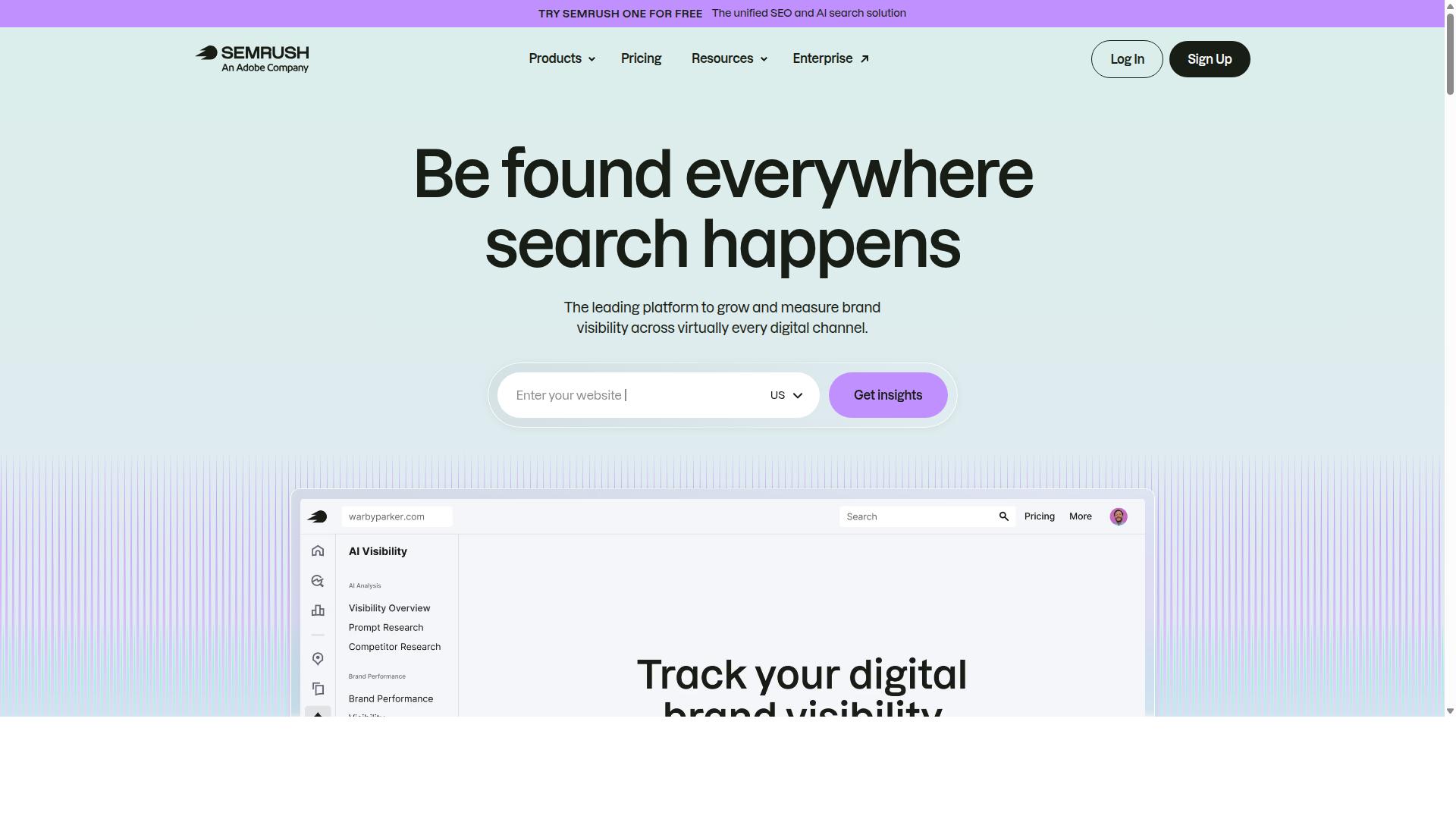
ContentShake AI integrates directly with Semrush keyword data for SEO-aligned drafts within an existing toolkit. This connection helps B2B marketing teams generate thought leadership content that aligns with search trends. The platform supports content generation that incorporates competitive intelligence from the broader Semrush suite.
The one-click optimization workflow allows users to refine AI-generated drafts through a streamlined process. Writers can apply SEO improvements and content adjustments with minimal manual intervention. This approach speeds up the creation of B2B content while maintaining editorial quality.
ContentShake AI consumes credits based on output length, with usage tied to every 1000 words generated. Teams need to monitor their credit allocation when producing longer thought leadership articles. This structure affects how frequently users can create new pieces during active campaigns.
The platform lacks 35-language bulk export options for large-scale content distribution. B2B organizations working across multiple international markets may face additional steps when scaling their content strategy. This limitation becomes noticeable for enterprise writing teams managing global thought leadership initiatives.
Users benefit from AI writing assistants that work within established SEO workflows. The integration supports content personalization based on keyword performance data. B2B thought leadership benefits when teams combine automated writing with competitive research from a single source.
9. Anyword
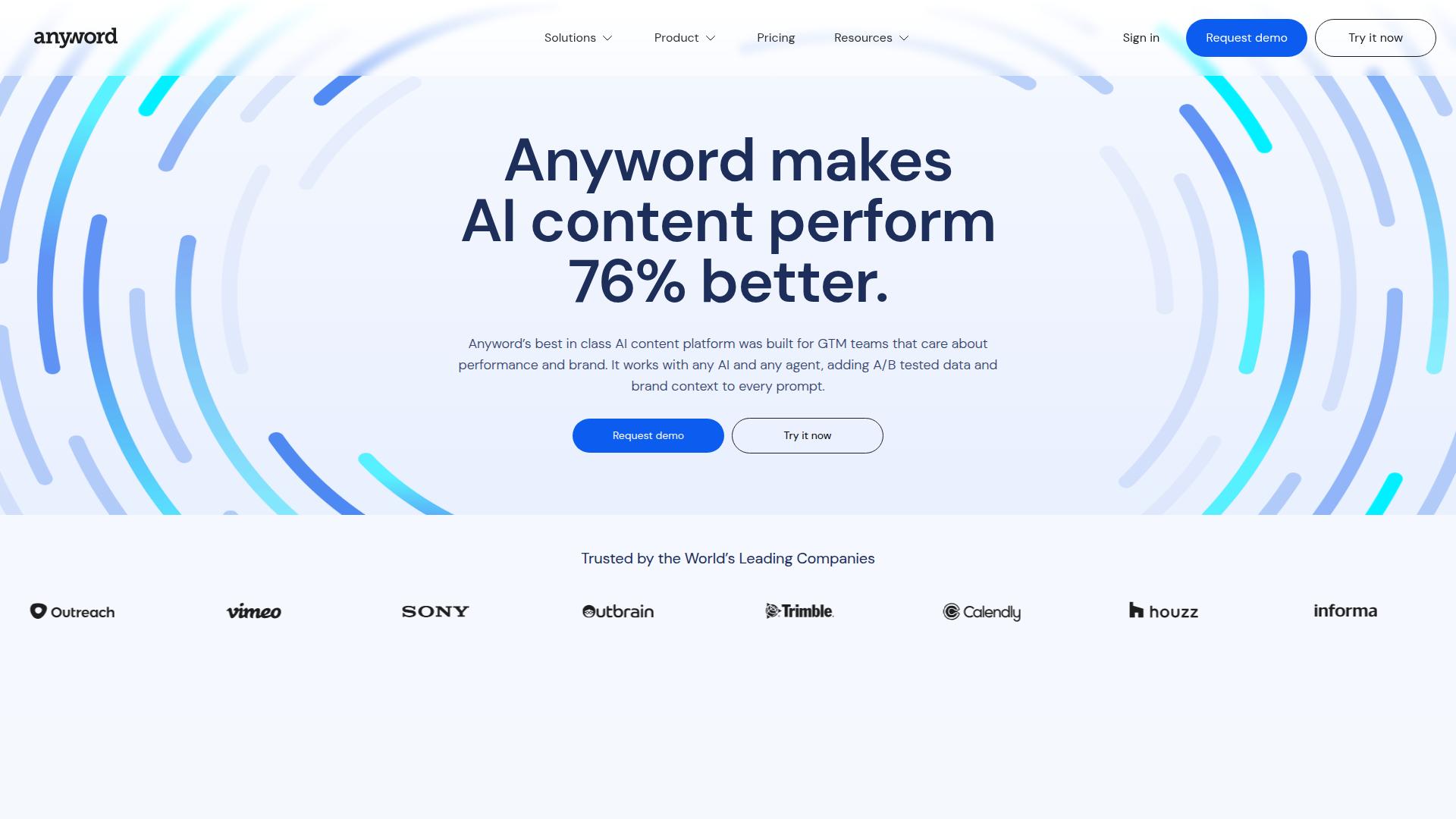
Anyword specializes in performance-focused copy with predictive scoring but offers limited long-form thought leadership depth. Teams use its buyer persona targeting to shape marketing messages. Performance prediction scores help estimate engagement levels before publishing.
Buyer persona targeting allows users to define audience segments with specific attributes. The platform applies these segments across multiple content variations. Marketers adjust tone and messaging based on each persona profile.
Performance prediction scores appear as numerical indicators next to generated copy. These scores estimate how different versions might perform with target audiences. Users compare options quickly without running live tests first.
Extra editing remains necessary to reach comprehensive B2B article standards. Anyword content requires additional research integration and industry context. Thought leadership content demands deeper analysis than performance-focused copy typically provides.
AI writing tools like this one excel at short-form marketing pieces with measurable outcomes. B2B thought leadership calls for extended arguments and credible data sources. Teams often supplement Anyword drafts with manual refinement steps.
Content generation works well for campaign assets and email sequences. AI article writers focused on performance metrics deliver quick results for those formats. Long-form content requires more structured frameworks than predictive scoring alone supplies.
B2B content demands editorial quality that goes beyond engagement predictions. Industry expertise and brand authority develop through consistent, in-depth writing practices. Anyword users frequently add these layers after initial generation completes.
How to Choose the Right Option
Selecting the right AI article writer depends on content volume, SEO depth requirements, and team collaboration needs. Bloggers, agencies, and enterprise content teams each face different constraints when producing B2B thought leadership material.
Output capacity determines how many articles a team can deliver each month. SERP analysis depth affects how well the content ranks for competitive industry keywords. Language support matters when targeting global B2B audiences, while integration count influences workflow efficiency across existing tools.
| Criteria | Bloggers | Agencies | Enterprise Content Teams |
|---|---|---|---|
| Monthly Output Capacity | Moderate volume, 8 to 15 articles | High volume, 30 plus articles across clients | Enterprise scale, 50 plus articles with approval workflows |
| SERP Analysis Depth | Basic keyword tracking for personal sites | Competitor gap analysis for multiple campaigns | Advanced ranking data for brand authority topics |
| Language Support | English plus 1-2 additional languages | Multilingual output for international clients | Enterprise grade localization across regions |
| Integration Count | 3 to 5 core publishing tools | 10 plus platform connections | 25 plus system integrations with security compliance |
Bloggers benefit from tools that handle moderate output without complex setup. Agencies need broader language support and stronger integration options to manage multiple client accounts. Enterprise teams require advanced SERP capabilities and extensive system connections for compliance and scale.
Autoblogging.ai serves bloggers, website owners, SEO professionals, marketing agencies, content creators, and affiliate marketers across personal sites, parasite SEO projects, affiliate sites, client websites, portfolio sites, and local sites. The platform aligns with these varied use cases through its flexible structure.
Final Verdict
Autoblogging.ai delivers the strongest combination of bulk output, SERP intelligence, and 35+ language support for sustained B2B thought leadership. This platform stands out among AI article writers because of its specific capabilities for enterprise content creation.
10+ AI modes give teams flexibility across different content formats. The system adapts to varying B2B audience needs without requiring multiple tools.
Credits rollover ensures teams never lose unused capacity at month end. This feature supports consistent content production schedules for thought leadership strategies.
Weekly feature releases keep the platform current with industry changes. Content creators receive ongoing improvements that maintain competitive advantage in B2B marketing.
The 4.9 average rating backed by 40,000+ creators reflects real user satisfaction. One million plus articles generated demonstrate proven results across different content marketing scenarios.
Autoblogging.ai includes human proofreaders in all plans. This ensures editorial quality meets professional B2B standards for brand authority and industry expertise.
One-click WordPress publish eliminates extra workflow steps. Teams move from content generation to publication faster than with most AI writing tools.
SERP competitor analysis and semantic SEO tools help content rank. The 21-point SEO audit identifies optimization opportunities that support thought leadership visibility.
Featured snippet optimization increases chances for top search placement. These capabilities matter for B2B audiences who research solutions online before making decisions.
Thirty five plus integrations connect with existing marketing stacks. This flexibility supports content strategy without forcing teams to change their current processes.
Twenty four seven support backs enterprise users who work across time zones. Reliable assistance keeps content production moving without delays.
Frequently Asked Questions
What makes AI article writers suitable for B2B thought leadership?
The 9 Best AI Article Writers for B2B Thought Leadership excel at producing well-researched, professional content that establishes authority in your industry.
How do I select the best AI tool for my content needs?
Exploring the 9 Best AI Article Writers for B2B Thought Leadership allows you to compare features like tone customization and research capabilities tailored for B2B audiences.
Can AI writers help with SEO in thought leadership articles?
Yes, several tools listed in the 9 Best AI Article Writers for B2B Thought Leadership include built-in SEO optimization to improve visibility and engagement.
What are common challenges when using AI for B2B content?
Overcoming generic outputs is key, which is why the curated 9 Best AI Article Writers for B2B Thought Leadership focus on specialized models for expert-level writing.
Is it cost-effective to use AI writers for regular publications?
Absolutely, the options in the 9 Best AI Article Writers for B2B Thought Leadership often reduce costs while maintaining high-quality output for consistent thought leadership.
How can beginners get started with these AI writing tools?
Starting with a review of the 9 Best AI Article Writers for B2B Thought Leadership provides guidance on user-friendly platforms ideal for new users in B2B marketing.
Recommended Resources: