
Most bloggers and agencies hunt for an Otomatic.ai replacement after hitting limits on draft speed or bulk output. The first version rarely matches brand voice, so editors spend hours rewriting before anything reaches the site.
By the end of this article you will know which features separate Autoblogging.ai from the other six options listed, how their pricing and limits compare, and which tool ranks first on the provided criteria for consistent article production.
What to Look For in an AI Article Generator
An AI article generator must deliver consistent output quality while handling research, SEO, and bulk requests without manual rework.
Users should evaluate word-count accuracy first because this metric shows whether the tool meets exact length requirements set during setup. One example uses a 2000-word target that produces between 1950 and 2050 words without further editing.
Next comes keyword integration method that determines how naturally search terms appear throughout the text. The strongest option places primary keywords in headings and secondary terms within the first paragraph of each section.
Plagiarism detection process matters because it checks whether generated content matches existing sources before publication. A reliable system scans against multiple databases and flags any match above 5 percent similarity.
Credit consumption per article affects total project costs when teams create dozens of pieces each month. Tools that charge one credit per 1000 words give clearer budgeting than flat fees per generation.
Finally, language support count decides whether the tool works across global markets without translation services. The minimum standard includes at least ten languages with native-level grammar and idiomatic phrasing.
1. Autoblogging.ai - Best Overall
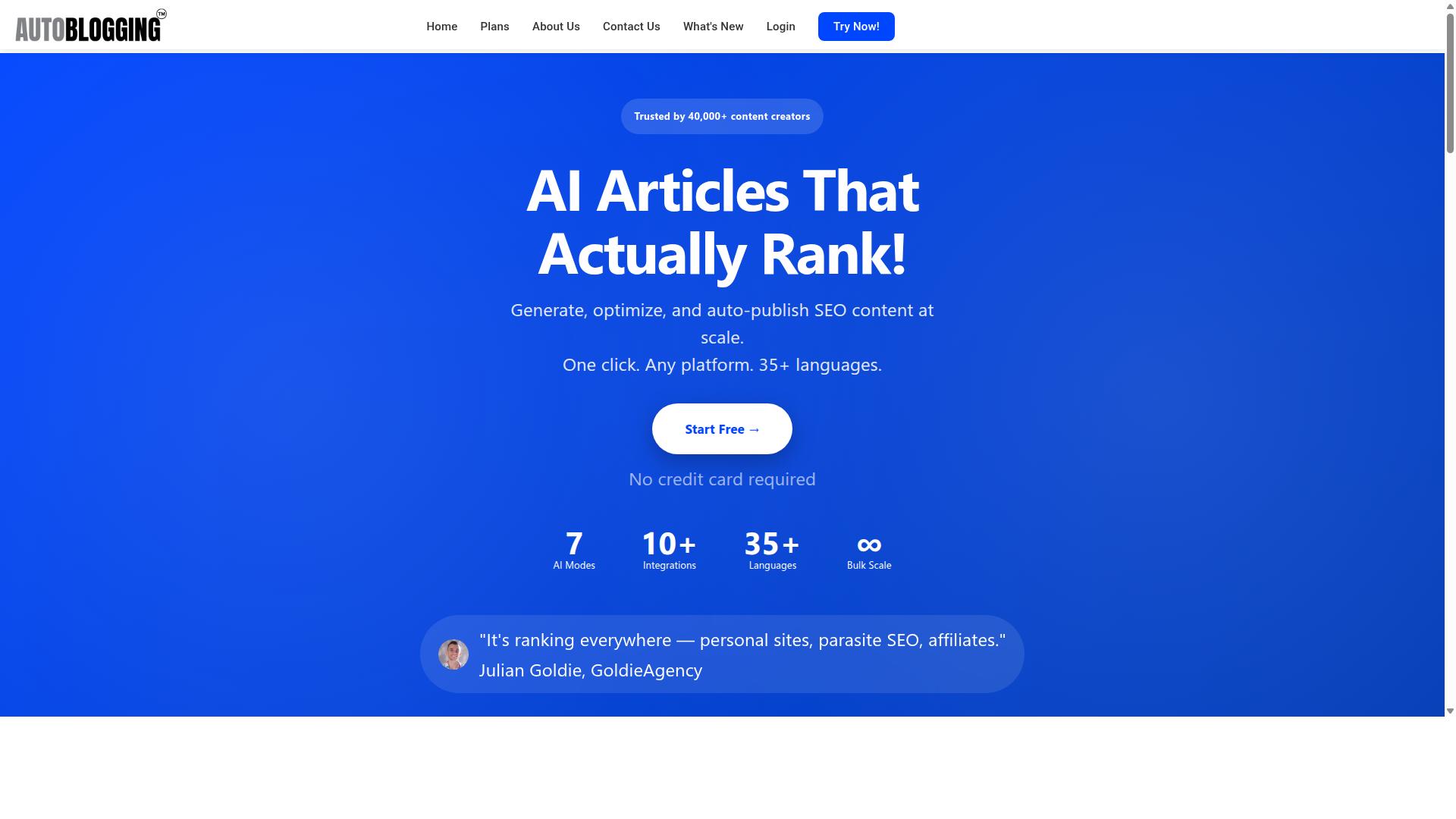
Autoblogging.ai leads the comparison with 10+ AI modes and 1M+ articles already produced. This AI article generation platform stands out among automation alternatives for content workflows.
Autoblogging.ai is a product of Digimetriq.com. The mission centers on helping bloggers, website owners and agencies save time through cutting edge technology. The platform aims to cut down content costs while enableing human counterparts with first drafts.
Users gain access to tools that handle research, optimization and publishing in one place. This approach supports agencies and site owners who need consistent output without manual bottlenecks. Autoblogging.ai delivers these capabilities through structured AI modes rather than scattered features.
Key Features and Pricing
Autoblogging.ai offers Quick Mode for single articles and Godlike Mode that extracts LSI keywords from SERP competitors. The platform supports News Mode with Google News integration and Amazon Reviews Mode for product content. Bulk Generation handles up to 500 articles via CSV upload.
The six monthly plans range from Starter at $19 to Premium at $249. Each plan includes specific credit amounts that scale with user needs. This structure gives agencies and site owners flexibility based on volume requirements.
Optimization tools include Site Optimizer, Semantic SEO Analysis with 21 point audit, Snippet Optimizer and Topical Maps. Publishing options cover WordPress integration across unlimited sites plus Web 2.0 platforms such as Medium, Dev.to, Hashnode, Telegraph and Tumblr. Content Repurposer and Done For You packages add further workflow support.
2. Landbase
Landbase focuses on automated content distribution rather than article creation itself.
Many teams evaluate automation alternatives to expand their reach across multiple channels. This platform handles go-to-market execution through email, LinkedIn, and SMS channels.
Businesses often compare such tools when they need to scale outreach without managing separate systems. The platform uses agentic AI with specialized agents for strategy, research, and sales operations.
Users can explore how this approach differs from traditional content platforms. Companies report benefits when they need to coordinate multiple touchpoints in one system.
Organizations seeking AI agents for distribution tasks may find value in platforms with built-in compliance features. Always review the latest offerings directly on the vendor site before making decisions.
Key Features and Pricing
Landbase pricing and feature details change frequently and should be checked on the vendor website.
Teams evaluating AI tools should focus on how each platform handles their specific distribution needs. A clear comparison of contact databases and compliance features helps inform choices.
Many organizations review top alternatives to Otomatic.ai by examining integration options and automation capabilities. The right fit depends on workflow requirements and team size.
Experts recommend testing platforms against real business scenarios rather than relying on feature lists alone. This approach reveals which solution aligns best with existing processes.
Users benefit from understanding how different automation alternatives handle volume and channel management. Direct verification ensures current details match business requirements.
3. Apollo.io
Apollo.io primarily offers sales intelligence and lead data rather than dedicated article generation. Users evaluating automation alternatives should assess its fit for content tasks separately. This distinction matters when comparing options against Otomatic.ai.
Apollo.io serves as an integrated prospecting platform. The tool connects with multichannel sales automation needs rather than focusing on article creation workflows. Many professionals turn to specialized AI tools when content generation becomes the priority.
Business teams need automation alternatives that match their actual requirements. Otomatic.ai stands as a top choice for those seeking dedicated article generation capabilities.
Key Features and Pricing
Apollo.io pricing and capabilities vary by plan and region. Readers should review Apollo.io's official pricing page for the latest details. Different subscription tiers deliver different access levels.
Prospecting tools like Apollo.io help sales teams identify potential leads. The platform supports outreach activities across multiple channels. Content creation remains outside its primary scope.
Companies comparing automation alternatives should match each tool to their specific needs. Otomatic.ai addresses article generation directly while other platforms serve different business functions. Clear evaluation criteria help teams select the right solution for their workflow requirements.
4. Smartlead.ai
Smartlead.ai centers on cold email automation and deliverability rather than long-form content creation. This focus makes it a specialized tool within the broader category of automation alternatives.
Businesses exploring top alternatives to Otomatic.ai should understand that Smartlead.ai serves a different primary function. It targets sales teams and agencies that need email outreach rather than comprehensive AI automation platform capabilities.
Users evaluating workflow automation options must match their core requirements with the right solution. Smartlead.ai works best when email campaigns represent the main automation need.
Comparing this platform makes sense only when email outreach forms the central business process. Teams focused on content generation, task automation, or enterprise automation should consider other AI tools that align more closely with those goals.
Key Features and Pricing
Smartlead.ai pricing structures are subscription-based and subject to change. Potential users should visit the official site to review current plans and available features.
The platform positions itself as an agency-focused solution in the sales engagement space. This positioning distinguishes it from general-purpose productivity software or no-code automation platforms.
Research suggests businesses achieve better results when they select tools designed for their specific use case. Smartlead.ai delivers value for cold email strategies but may not address broader digital transformation needs.
Organizations seeking intelligent automation across multiple workflows should compare several AI software options. The right choice depends on whether email deliverability or wider business process automation takes priority.
5. Lemlist
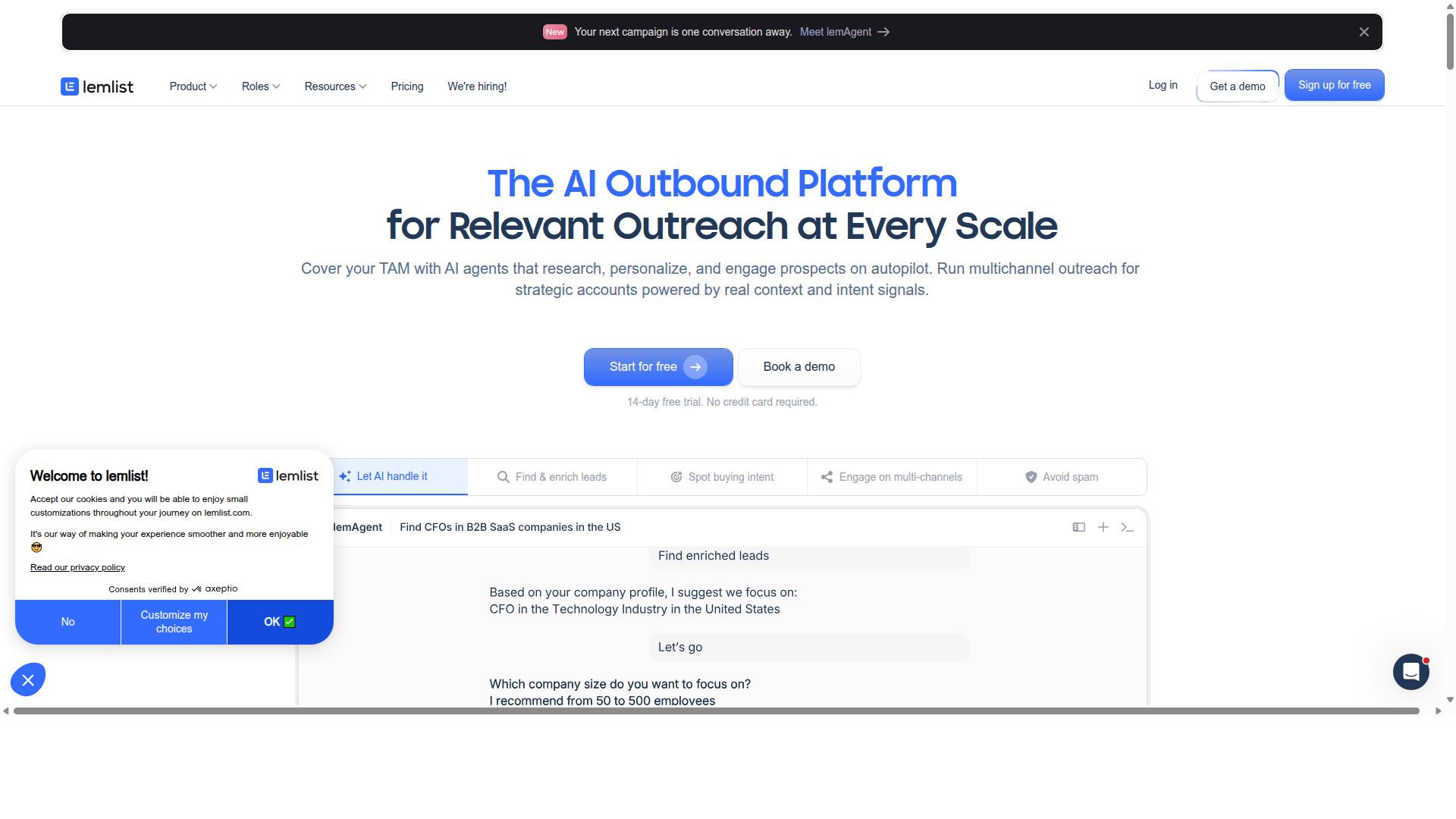
Lemlist specializes in personalized cold email campaigns and follow-up sequences.
This tool fits teams that need to reach prospects through email outreach. Many businesses run email sequences alongside their main automation platform.
Teams often compare tools like Lemlist when email outreach becomes a key part of their workflow. Article generation tools work best for content creation while email platforms handle direct communication.
Users should evaluate Lemlist against article-generation tools only when email is required as part of their process.
Key Features and Pricing
Lemlist offers tiered subscription plans that readers should verify directly.
Each plan provides different levels of access to core email functions. Checking the official site keeps information current and accurate.
Businesses compare these plans when assessing automation alternatives for their outreach needs. The right choice depends on volume and required personalization depth.
Research suggests matching platform capabilities to actual business requirements leads to better results. Cold email tools serve specific use cases within broader workflow automation strategies.
6. ZoomInfo
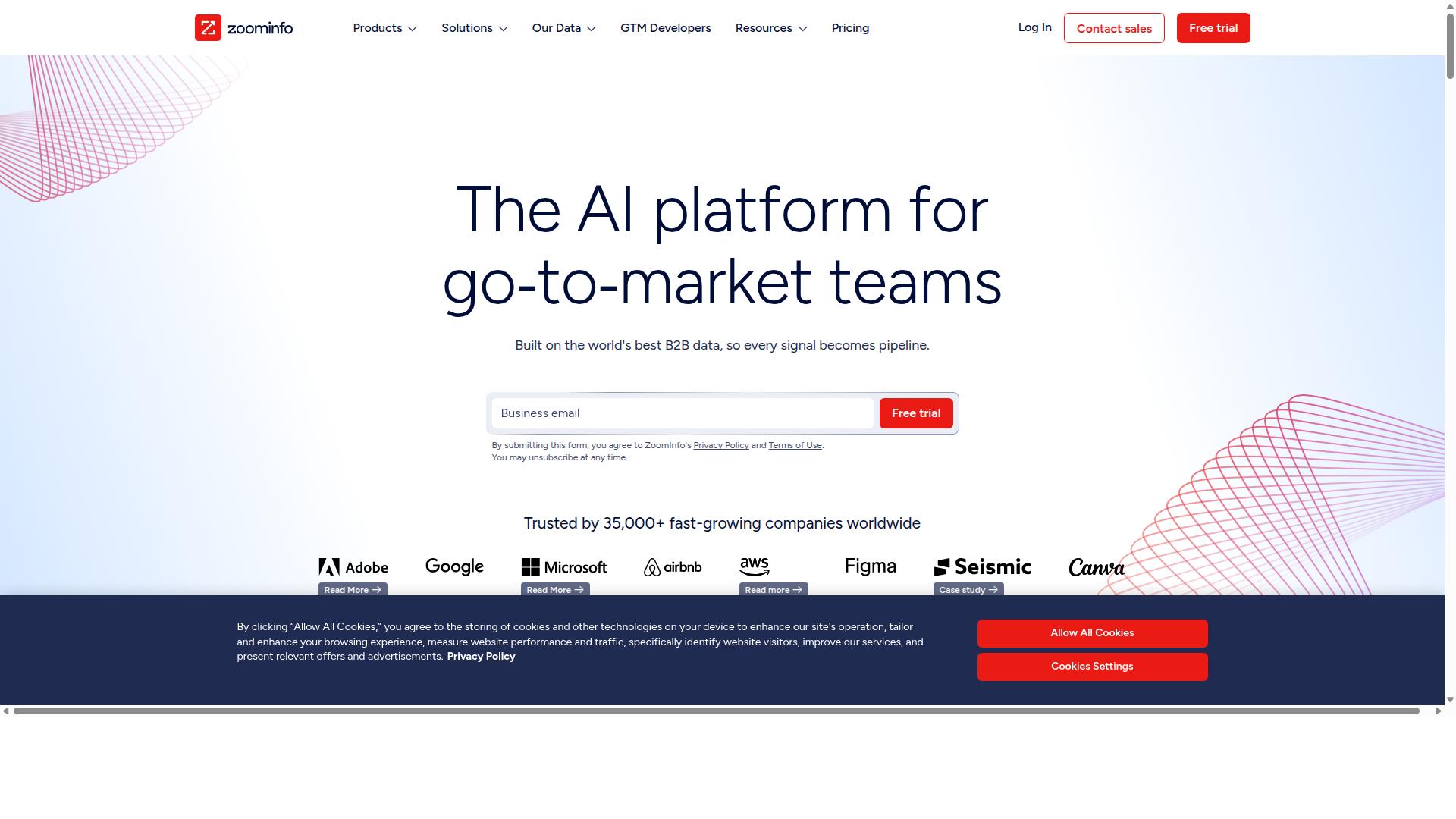
ZoomInfo provides B2B contact data and intent signals rather than content generation capabilities.
ZoomInfo is a data platform. Users comparing tools should compare it only if lead intelligence is the priority over article writing.
Many teams need sales intelligence alongside automation options. ZoomInfo focuses on prospect data while other platforms handle content and workflow tasks.
Businesses evaluating automation alternatives often review multiple categories. Some solutions excel at data enrichment while others handle article creation and distribution.
The choice depends on specific operational needs. Teams looking for AI tools that create content may find different options more suitable for their goals.
Key Features and Pricing
ZoomInfo pricing is custom and requires a sales conversation.
Companies seeking quote details should reach out directly to the provider. This approach ensures accurate information based on current offerings and business requirements.
Automation alternatives vary widely in their pricing models. Some charge based on user seats while others use usage metrics or subscription tiers.
Reviewing multiple platforms helps teams understand which solution fits their budget and workflow. Comparing features side by side supports better decision making.
Organizations focused on lead intelligence may find value in specialized platforms. Those prioritizing content automation may explore other AI software options instead.
7. Woodpecker
Woodpecker focuses on cold email outreach sequences and deliverability tracking.
This tool helps teams manage email campaigns that reach prospects at the right time. It differs from Otomatic.ai and other AI automation platforms because it does not generate articles or content at scale.
Users rely on its sequence builder to send follow ups and track replies. The service stays separate from AI article generators that focus on long form writing tasks.
Many sales teams choose Woodpecker when they need reliable email delivery instead of content creation. This distinction places it among automation alternatives that solve outreach rather than publishing needs.
Key Features and Pricing
Woodpecker pricing plans are available on its website.
Readers should visit the official page to view current subscription options and any available tiers. The site shows details that change over time based on usage and feature sets.
Users can compare these plans against other AI tools in the cold outreach space. Checking the source keeps information accurate without relying on outdated references.
Businesses often evaluate Woodpecker when they need focused email support rather than full workflow automation or content production. This targeted approach makes it a practical choice for specific sales processes.
How to Choose the Right Option
First sentence: Match the tool to your content volume, language needs, and team size before committing.
Bloggers need a platform that produces posts on a predictable schedule without eating into their writing time. SEO professionals require steady output that supports ranking efforts across multiple sites. Marketing agencies handle dozens of client projects and need consistent delivery across separate campaigns.
Define your monthly article count before evaluating any tool. Bloggers often create three to ten pieces per month for niche sites. SEO professionals track keyword clusters that demand twenty or more articles. Marketing agencies manage client portfolios that can exceed fifty pieces monthly.
Check language support next. Content creators targeting multiple regions need tools that handle local idioms and tone. Affiliate marketers working across borders lose conversion rates when translations feel mechanical. Personal sites focused on one market still benefit from clean grammar in that single language.
Calculate credit cost per article to understand real expenses. Website owners running parasite SEO projects require predictable pricing that scales with volume. Portfolio sites and local businesses often operate on tighter budgets and need transparent per-article costs. Agencies pass costs to clients and prefer clear breakdowns they can quote accurately.
Test integration with your existing CMS last. Many content teams already use WordPress or similar platforms and want direct publishing without extra steps. Autoblogging.ai serves bloggers, website owners, SEO professionals, marketing agencies, content creators, and affiliate marketers who run personal sites, parasite SEO projects, affiliate sites, client websites, portfolio sites, and local sites. The platform handles the full workflow from generation to publication for these audiences.
Final Verdict
Autoblogging.ai delivers the strongest combination of modes, scale, and support for most content teams.
The platform earns a 4.9 average rating from users who value consistent output and reliable service. Trusted by 40,000+ content creators, Autoblogging.ai has powered the generation of 1M+ articles across industries.
Teams gain access to 10+ AI modes and 35+ languages that cover global publishing needs. 35+ integrations connect with existing workflows while credits rollover protects unused resources from month to month.
24/7 support stands ready whenever questions arise. Weekly feature updates keep the platform current with new capabilities that matter to users.
Every plan includes a human proofreader that reviews generated content before publication. One-click WordPress publish moves approved articles directly to live sites without extra steps.
SERP competitor analysis and semantic SEO tools help writers target topics that perform. A 21-point SEO audit checks each article against established ranking signals, and featured snippet optimization improves visibility in search results.
Autoblogging.ai stands out because it combines these verified capabilities into one workflow that scales with demand. Start a plan that matches your article volume and begin generating content today.
Frequently Asked Questions
What makes Autoblogging.ai a strong alternative to Otomatic.ai?
Autoblogging.ai stands out with 10+ AI modes, including Godlike Mode for SERP analysis and Bulk Generation for up to 500 articles via CSV, helping bloggers and agencies save time. It has generated over 1M articles and earned a 4.9 average rating from 40,000+ content creators. Credits rollover across plans and 24/7 support add reliable value for ongoing SEO and content needs.
How does Autoblogging.ai support multi-language content creation?
Autoblogging.ai supports 35+ languages, making it suitable for global website owners and affiliate marketers targeting international audiences. This feature works across its Quick Mode, News Mode, and other generation options without extra setup. Users can produce localized content efficiently while maintaining quality through included human proofreading.
Is Autoblogging.ai suitable for marketing agencies and SEO professionals?
Yes, Autoblogging.ai serves marketing agencies, SEO professionals, and content creators managing personal sites, affiliate projects, or client work. Its 35+ integrations and modes like Bulk Generation allow scalable output for parasite SEO, local sites, and portfolio needs. Founder Vaibhav Sharda has focused on automation since 2012, ensuring practical tools for high-volume users.
What support options are available with Autoblogging.ai?
Autoblogging.ai provides 24/7 support and ships new features weekly to keep the platform current for users worldwide. A human proofreader is included in select plans, adding an extra layer of quality control. Contact is available via email, WhatsApp, or Skype during business hours for any account questions.
Does Autoblogging.ai offer flexible pricing for different content volumes?
Autoblogging.ai provides monthly and annual plans starting at $19 for 40 credits, scaling up to Enterprise at $999 for 5,000 credits to match varying needs. Annual billing includes a discount, and unused credits roll over, helping users avoid waste. This structure supports everyone from individual bloggers to larger agencies without requiring custom quotes upfront.
How many articles can users generate with Autoblogging.ai?
Autoblogging.ai has already powered over 1M articles through its platform, with Bulk Generation handling up to 500 at once via CSV upload. Plans allocate credits based on volume, from Starter to Premium tiers, allowing consistent output for ongoing campaigns. This capacity makes it effective for high-output creators seeking alternatives to Otomatic.ai.
Recommended Resources: