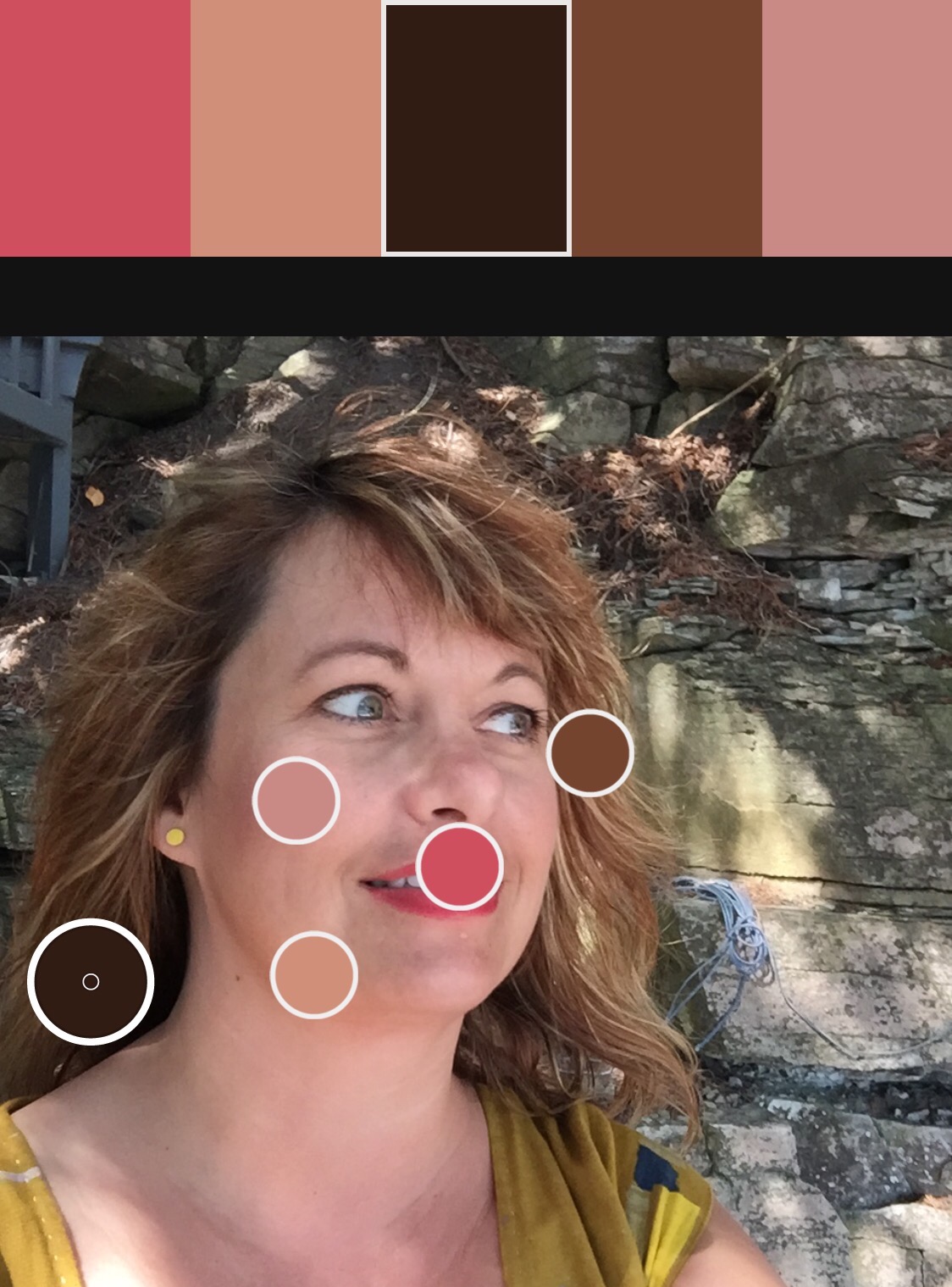
A handmade wardrobe can contain beautiful clothes and still fail at the ordinary job of getting dressed. The solution is not to sew faster. It is to begin with your actual week, then choose projects that belong inside it.
Start with situations, not garments
List the settings that account for most of your time: working at home, commuting, walking, teaching, dinners, gardening, travel. Note the practical needs of each - warmth, pockets, washable cloth, layers, freedom at the shoulder, shoes you can stand in.
Count how often each setting occurs. One imagined party dress should not outrank five reliable tops if most mornings begin at a desk or worktable.
Find the silhouettes already doing the work
Pull out the clothes you reach for repeatedly, including bought garments. Ignore whether they are exciting. Look for the structural reasons they succeed: where the shoulder sits, how much ease crosses the bust, the rise of the trouser, the length that works with your coat.
Translate those observations into a small silhouette vocabulary. It might include an A-line dress, a boxy shirt, narrow jeans, a long open coat and a generous knit. Repetition is not failure; it is the beginning of personal style.
Build a palette with room to combine
A useful palette is not a rigid set of approved colours. It is a group where most pieces can meet without negotiation. Choose two or three grounding colours, several companions and a few accents that make you happy.
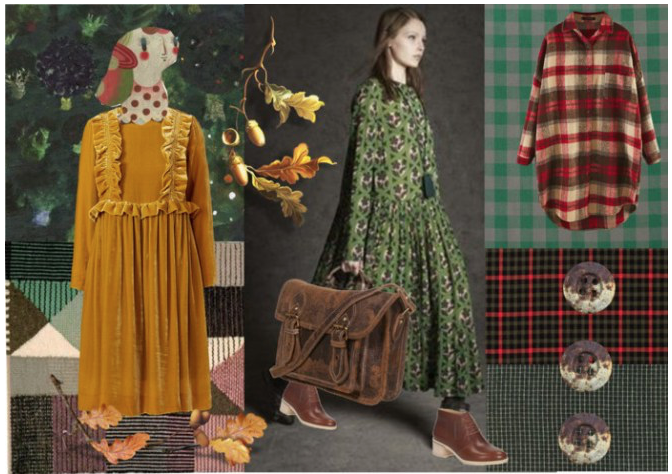
Photograph fabric in daylight and keep the images together. Seeing the whole group on one screen exposes near-matches that fight and surprising combinations that work.
Plan in links
Before starting a garment, name at least three things you will wear with it. A coat should connect to the trousers, skirts and dresses beneath it. A statement top should have more than one bottom waiting. If it has no links, change the fabric, adjust the silhouette or accept that it is an occasional art piece.
Use a project ladder
- Immediate repair or gap: the item that makes existing clothes wearable again.
- Reliable repeat: a known pattern in a new fabric or season.
- Skill builder: one focused challenge such as a welt pocket, fitted sleeve or unfamiliar knit structure.
- Play project: the odd fabric, dramatic shape or idea that keeps the wardrobe from becoming homework.
Keeping all four levels in view prevents a queue made entirely of ambitious projects or entirely of sensible basics.
Fit the person who exists today
Use current measurements and fit the body you have. Keep a dated record of pattern changes, wearing ease and the fabric used. When a garment disappoints, separate fit, cloth and style: a good pattern in the wrong fabric is a different problem from a silhouette that never felt like you.
The best handmade wardrobe is not the one with the most handmade clothes. It is the one that makes getting dressed feel more like yourself.
Review after wearing, not only after sewing. Notes made after three real days in a garment are worth more than impressions taken beside the machine.
Back to the journal